|
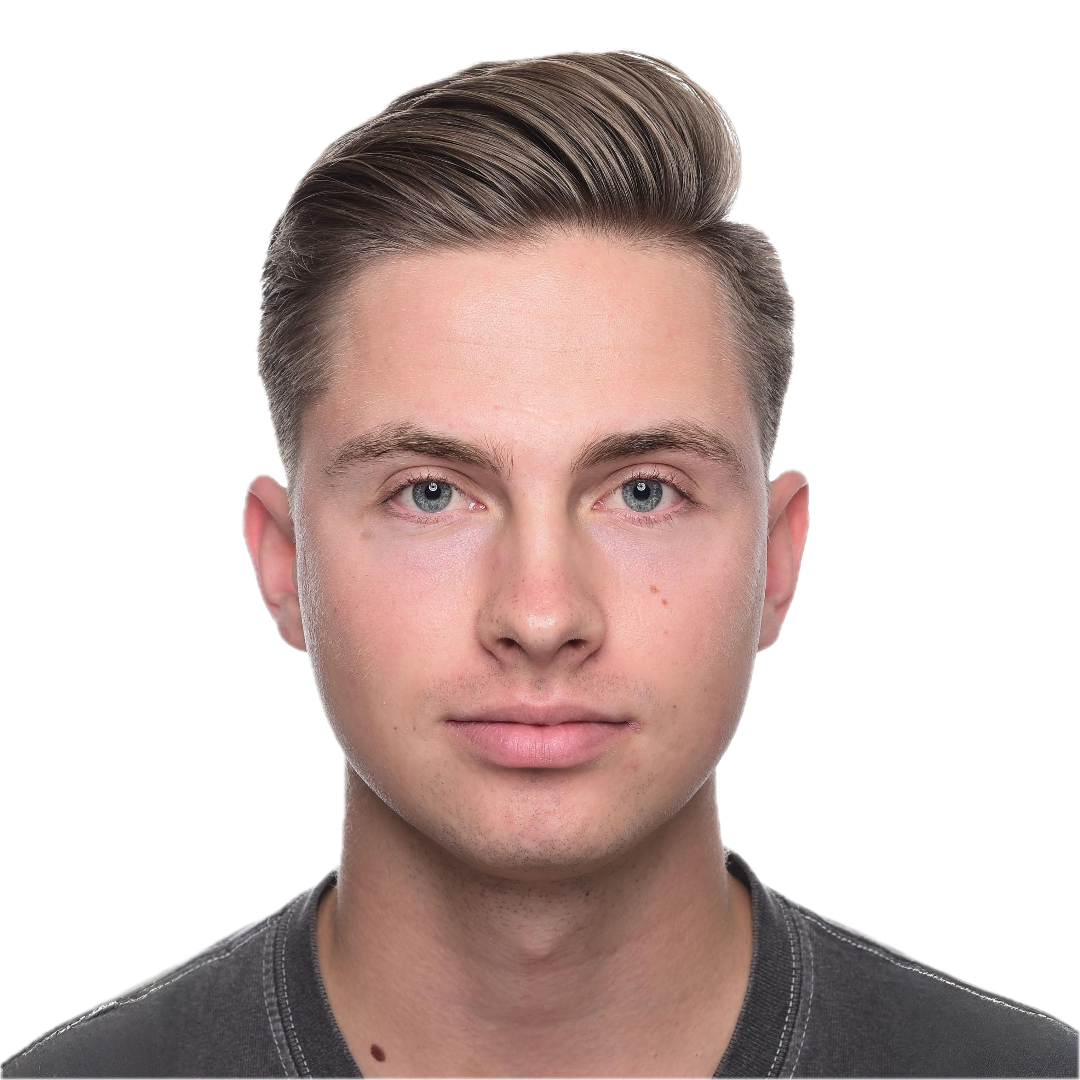
Dominik Schnaus What do different models have in common? Despite being trained independently, models can develop surprisingly similar representations of the world. My research investigates the geometric structure behind these similarities and how they can be used to connect models across modalities, even when paired data is scarce or unavailable. Currently, I am pursuing my Ph.D. at the Computer Vision Group at TUM supervised by Prof. Daniel Cremers under the lead of Dr. Xi Wang. Before that, I completed my M.Sc. in Mathematics in Data Science and my B.Sc. in Mathematics with a minor in Computer Science at TUM. Email / Scholar / LinkedIn / Bluesky / Github / Group Website |
|
UpdatesOctober 2026 The pre-print of our new paper Shared Geometry as a Rosetta Stone is now online and the code was released on Github. May 2025 The code for It's A (Blind) Match! was released on Github. March 2025 The pre-print of our new paper It's A (Blind) Match! is now online. February 2025 It's A (Blind) Match! was accepted at CVPR 2025. More updatesSeptember 2023 The code for Learning Expressive Priors for Generalization and Uncertainty Estimation in Neural Networks and Kronecker-Factored Optimal Curvature was released on Github. July 2023 The pre-print of our new paper Learning Expressive Priors for Generalization and Uncertainty Estimation in Neural Networks is now online. April 2023 Learning Expressive Priors for Generalization and Uncertainty Estimation in Neural Networks was accepted at ICML 2023. April 2022 Started Ph.D. in Computer Vision at the Computer Vision Group at TUM supervised by Prof. Daniel Cremers, November 2021 Kronecker-Factored Optimal Curvature was accepted at the Bayesian Deep Learning Workshop at NeurIPS 2022. October 2021 Finished M.Sc. Mathematics in Data Science at TUM. October 2019 Started M.Sc. Mathematics in Data Science at TUM. October 2019 Finished my B.Sc. Mathematics at TUM. |
Publications |
|
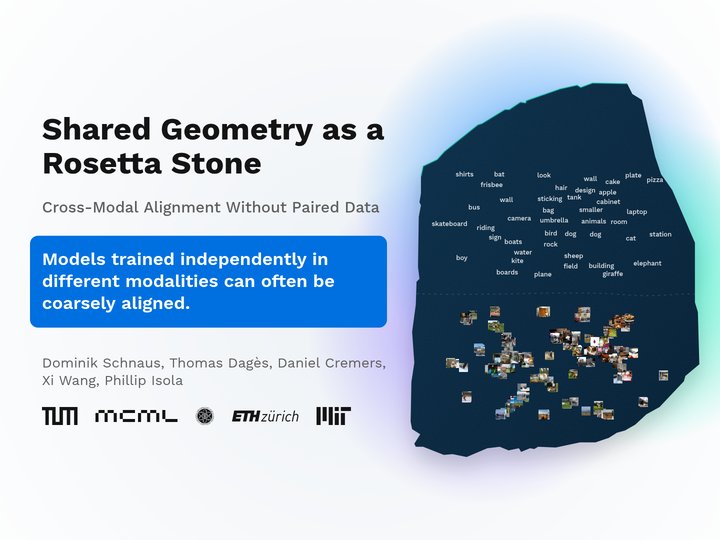
Shared Geometry as a Rosetta Stone: Cross-Modal Alignment Without Paired Data
Dominik Schnaus, Thomas Dagès, Daniel Cremers, Xi Wang, Phillip Isola arXiv, 2026 project page / paper / arXiv / code Models trained independently in different modalities are often similar enough to be aligned without any pairs. We align them coarsely with a single orthogonal map and show that their shared geometry predicts how well this works, also for scientific and medical modalities. |
|
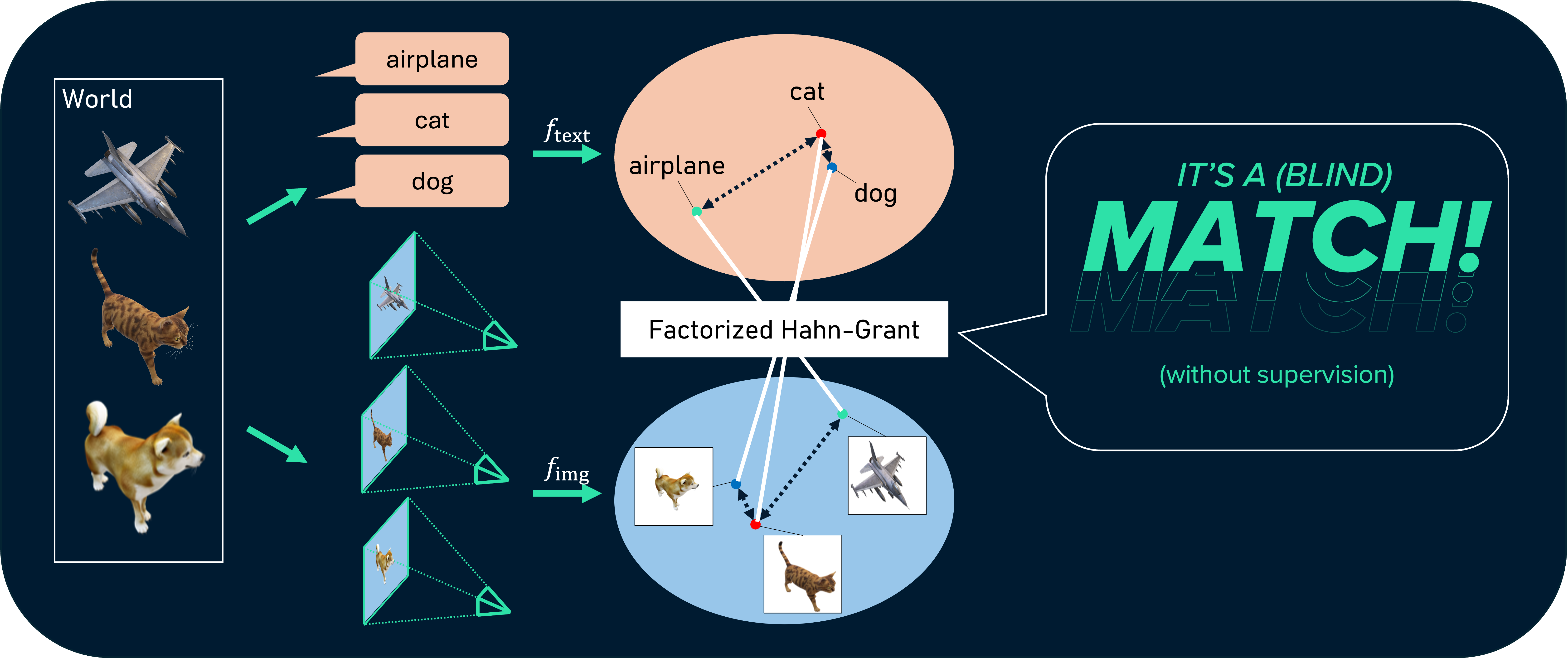
It's a (Blind) Match! Towards Vision-Language Correspondence without Parallel Data
Dominik Schnaus, Nikita Araslanov, Daniel Cremers CVPR, 2025 project page / paper / arXiv / code Vision-Language models need a lot of paired training data. Can we match vision and language without any supervision? Our work shows that it could be indeed feasible. |
|
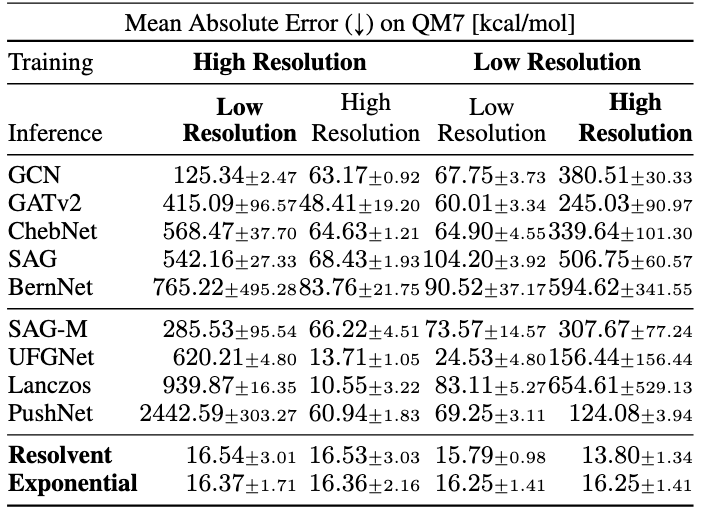
On multi-scale Graph Representation Learning
Christian Koke, Dominik Schnaus, Yuesong Shen, Abhishek Saroha, Marvin Eisenberger, Bastian Rieck, Michael M Bronstein, Daniel Cremers LMRL at ICLR, 2024 paper We show that existing graph neural networks struggle with graphs at different resolutions. We propose a modification of the message passing paradigm to overcome this issue. |
|
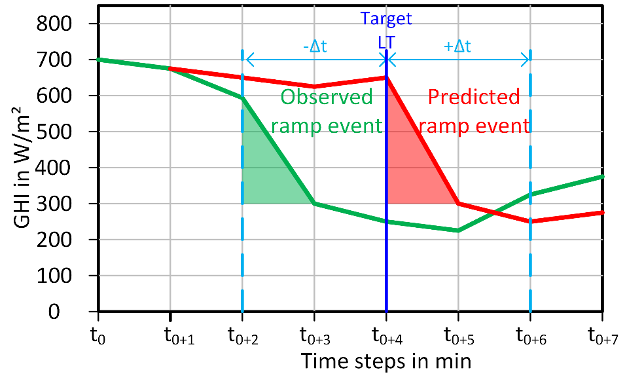
Ramp Rate Metric Suitable for Solar Forecasting
Bijan Nouri, Yann Fabel, Niklas Blum, Dominik Schnaus, Luis F. Zarzalejo, Andreas Kazantzidis, Stefan Wilbert Solar RRL, 2024 paper We propose a new ramp rate metric for solar irradiance forecasting. |
|
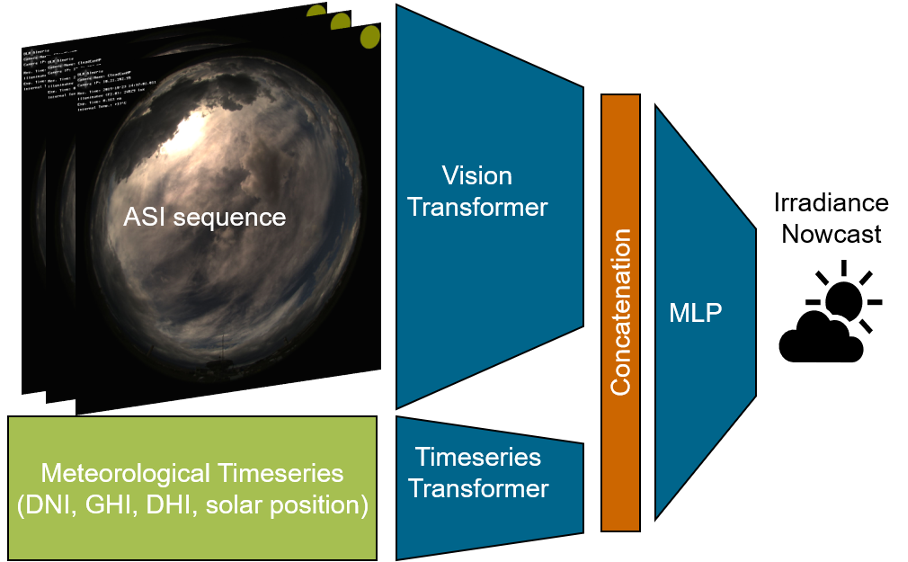
Combining Deep Learning and Physical Models: A Benchmark Study on All-Sky Imager-Based Solar Nowcasting Systems
Yann Fabel, Bijan Nouri, Stefan Wilbert, Niklas Blum, Dominik Schnaus, Rudolph Triebel Luis F. Zarzalejo, Enrique Ugedo, Julia Kowalski, Robert Pitz-Paal Solar RRL, 2024 paper We introduce a transformer model for solar irradiance nowcasting from all-sky imagers. |
|
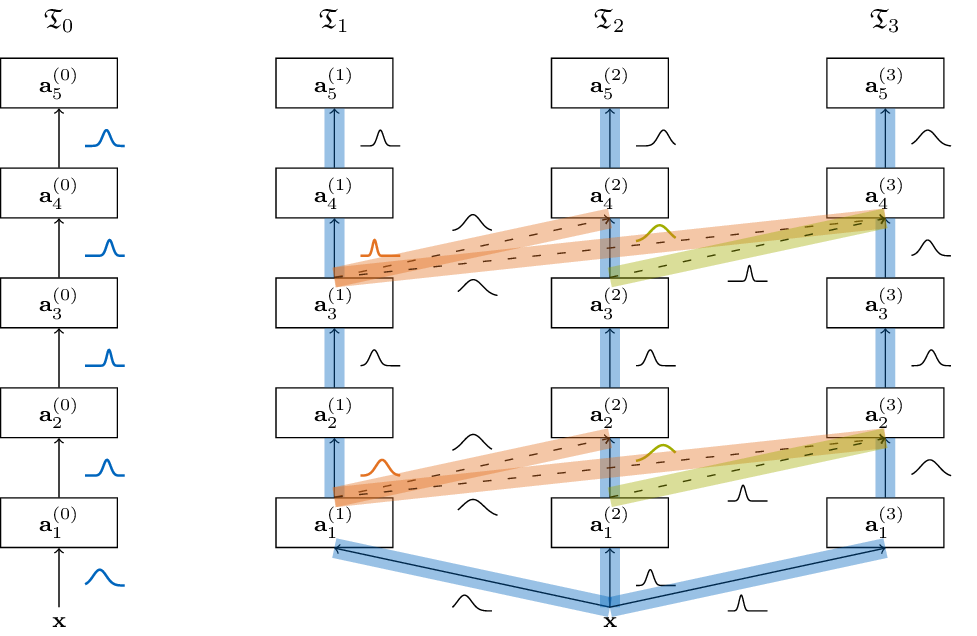
Learning Expressive Priors for Generalization and Uncertainty Estimation in Neural Networks
Dominik Schnaus, Jongseok Lee, Daniel Cremers, Rudolph Triebel ICML, 2023 paper / arXiv / poster / code We use Laplace approximation to learn expressive priors for neural networks. This improves the uncertainty estimation and PAC-Bayes generalization bounds. |
|
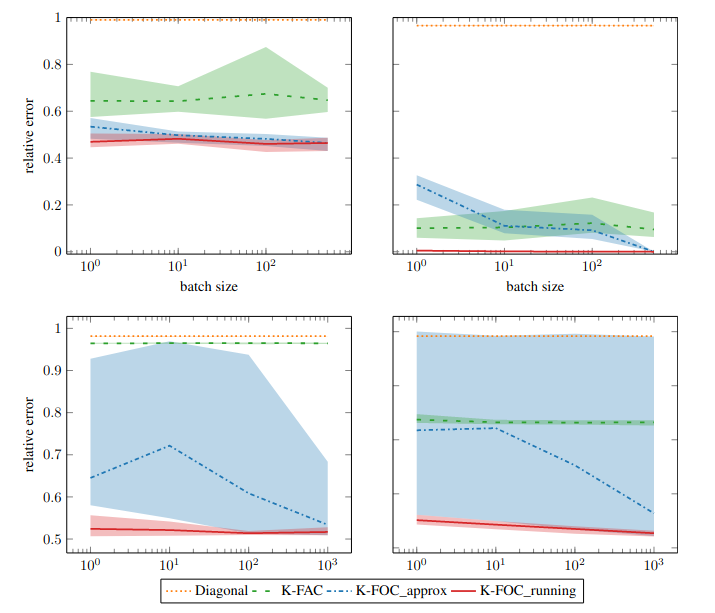
Kronecker-Factored Optimal Curvature
Dominik Schnaus, Jongseok Lee, Daniel Cremers, Rudolph Triebel BDL at NeurIPS, 2021 paper / poster / code Leveraging the power method for finding better Kronecker-factored approximations of the Fisher Information matrix. |